Consult your bolt customization experts
To provide customers with products and services of quality safety supply chain security, and cost saving.
Contact Us Now
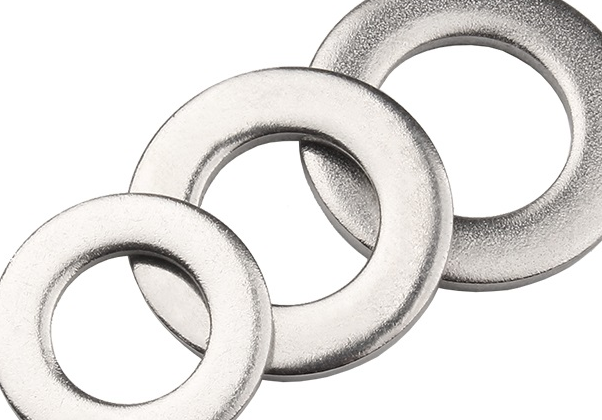
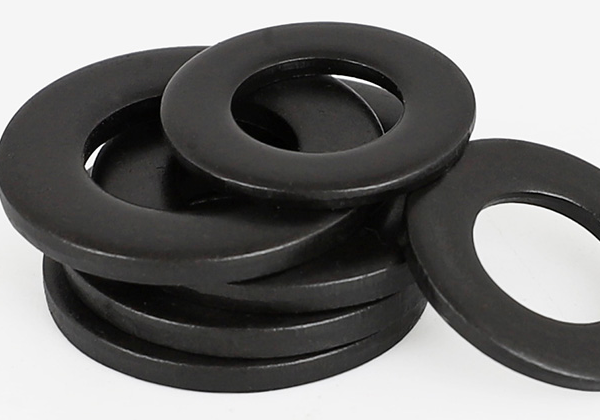
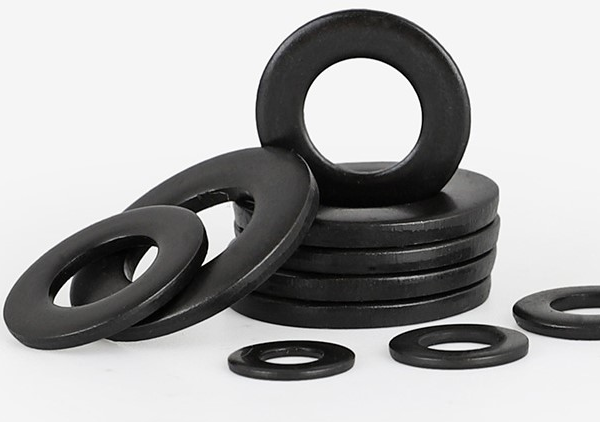
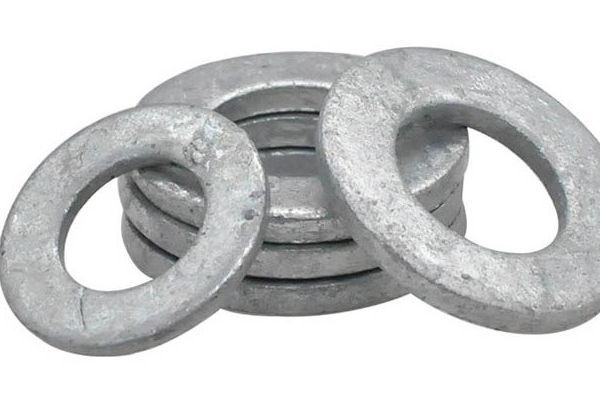
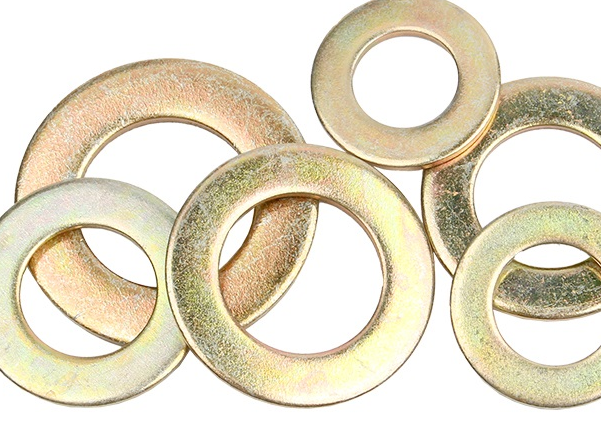
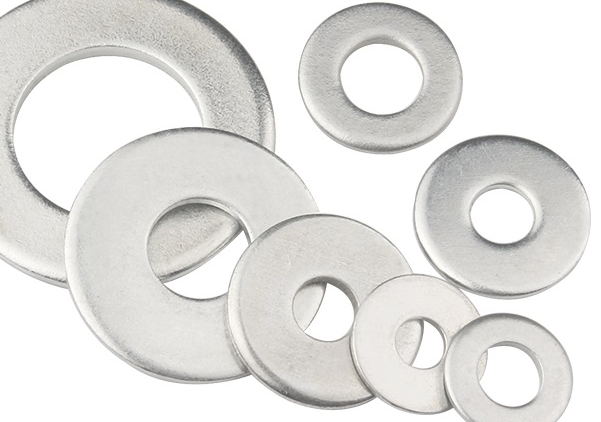
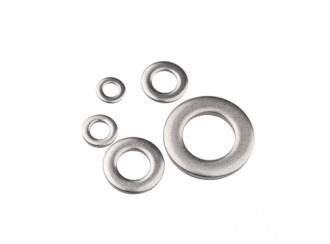
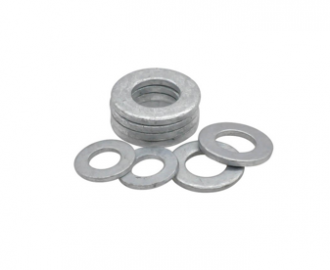
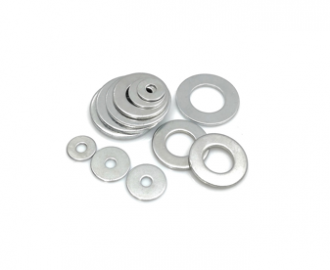
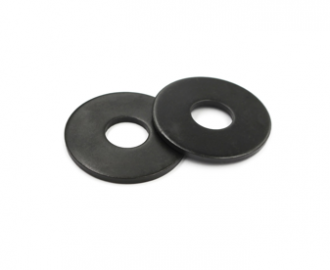
A flat washer is a type of washer with a flat circular-shaped body and a central hole that is used to distribute the load of a fastener or screw. It is commonly made of metal, plastic or rubber and is often placed between the nut or head of the screw and the surface it is being fastened to. The flat design of the washer ensures even distribution of pressure and helps to prevent damage to the object being fastened. Flat washers come in a variety of sizes and types to suit different applications and are a common component in many industrial, construction and home repair projects.
Standard
Din125
FOB Price: US $0.5 - 9,999 / Piece
Supply Ability: 10000 ton per Month
Surface treatment: Plain, Zinc Plated(ZP), GALVANIZED, HDG, Hot dip galvanized, Dacromet
Material: Carbon Steel / Alloy Steel / Stainless Steel / Brass / Copper
Standard: DIN / GB / UNC / BSW /JIS etc.
Certificate: ISO9001 ISO14001 ISO45001 SGS
Grade: 4.8 8.8 10.9 12.9 A2-70 A4-70 A4-80 etc.
What are they used for
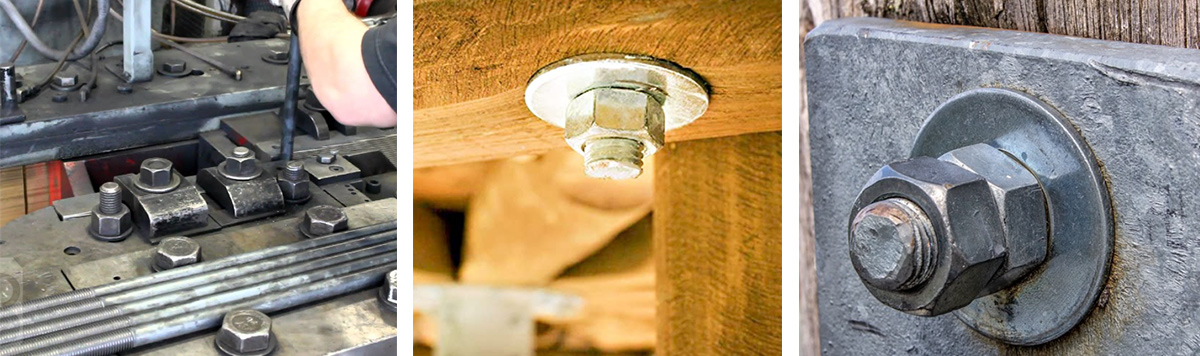
Flat washers are used across a wide range of industries where they function to distribute load, provide spacing, and prevent damage in various applications.
Manufacturing Process
The production process of flat washers involves several steps. Firstly, raw materials such as stainless steel, brass or plastic are selected and purchased. The materials are then cut into round disks of appropriate size using a punching machine. The disks are then placed into a stamping machine that presses them into flat washers of the desired thickness and shape.
After stamping, the flat washers are deburred to remove any rough edges or sharp points from the stamping process. This is done using a deburring machine or manually with a file.
Next, the flat washers are cleaned and polished to remove any residual oil or debris from the stamping and deburring process. This is done using a cleaning solution and a polishing wheel.
Finally, the flat washers are inspected for quality and packaged for shipment. The inspection process involves checking the dimensions, thickness and surface finish of each washer to ensure they meet the required specifications.
Consult your bolt customization experts
To provide customers with products and services of quality safety supply chain security, and cost saving.
Contact Us Now