Consult your bolt customization experts
To provide customers with products and services of quality safety supply chain security, and cost saving.
Contact Us Now

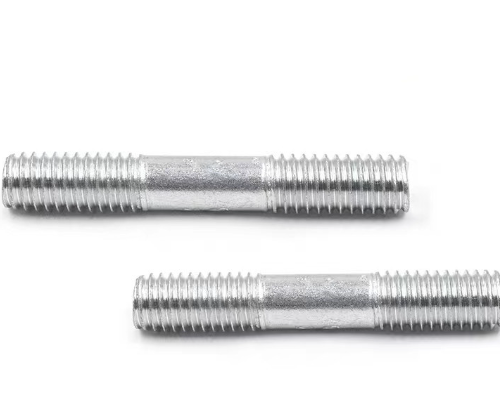
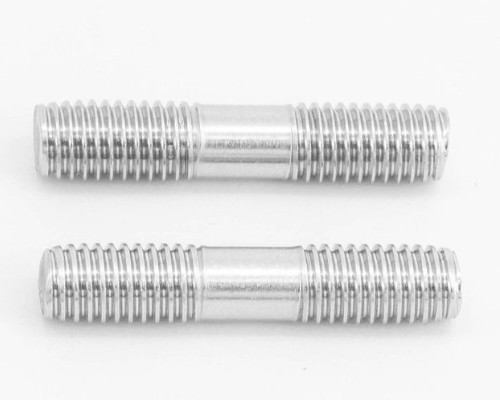

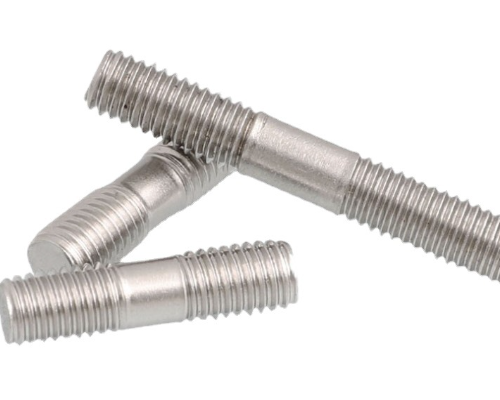

A stud rod is a cylindrical fastener with threads at both ends. Widely used in electric power, railway, bridge, steel structure, machinery, crane tower, large span steel structure and large buildings.
Fastener manufacturers play a crucial role in the manufacturing industry, Hebei Yunteng company as a leading stud rod manufacturers, with excellent staff, high-quality fastener products and perfect after-sales service, has established a good reputation in the market, has been exported to more than 30 countries and regions.
Standard
FOB Price: US $0.5 - 9,999 / Piece
Supply Ability: 10000 ton per Month
Surface treatment: Plain, Zinc Plated(ZP), GALVANIZED, HDG, Hot dip galvanized, Dacromet
Material: Carbon Steel / Alloy Steel / Stainless Steel / Brass / Copper
Standard: DIN / GB / UNC / BSW /JIS etc.
Certificate: ISO9001 ISO14001 ISO45001 SGS
Grade: 4.8 8.8 10.9 12.9 A2-70 A4-70 A4-80 etc.
What are they used for
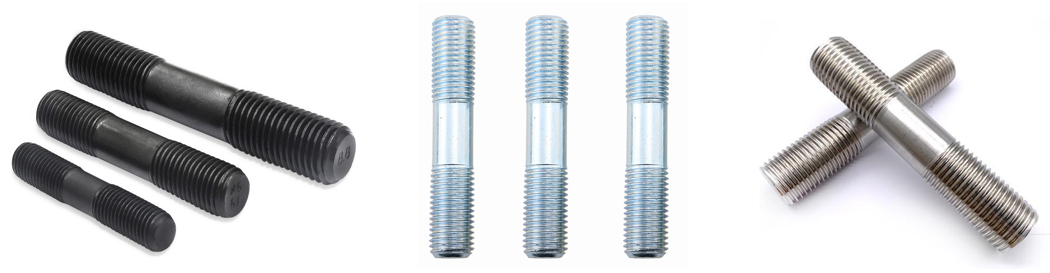
Black Oxide Stud rod Zinc Plated Stud rod Stainless Steel Stud rod DIN938
Stud rod is a threaded rod commonly used in the construction and manufacturing industries for various applications such as anchoring structures, joining components, and supporting heavy loads. In construction, stud rods are often used to secure concrete formwork, hold down machinery, and connect steel and concrete elements. In manufacturing, they are used in the production of vehicles, furniture, and appliances for assembling parts and providing structural support. Stud rods can also be found in mining, oil and gas, and marine industries for anchoring and fastening equipment and structures.
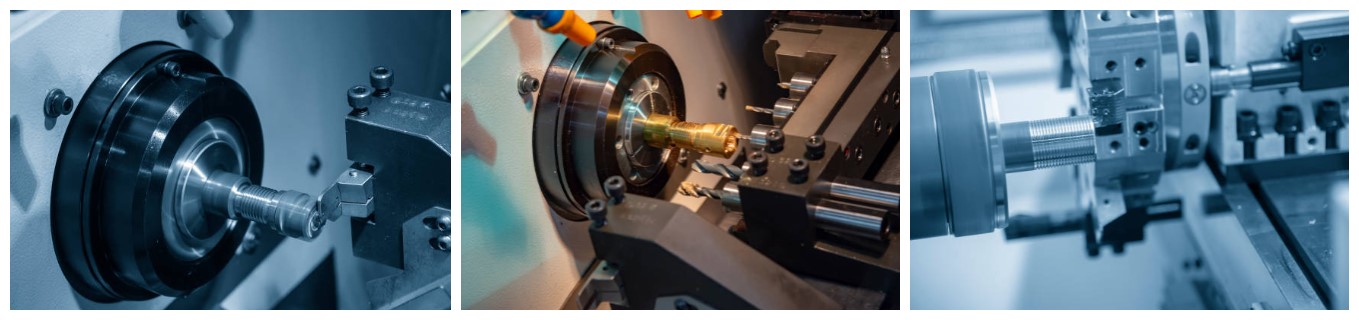
Manufacturing Process
The production process of stud rod typically involves the following steps:
Raw Material Selection: The first step is to select the appropriate raw materials which would typically include high-quality steel or other high-strength alloys.
Heating and Forming: The raw materials are then heated to a high temperature and formed into the desired shape using rolling, forging or extrusion techniques.
Cutting and Threading: The formed material is then cut into suitable lengths and threaded to create the threaded studs having precision dimensions and uniform threads.
Finishing: The next step involves finishing the studs with a coating or finish to protect against rust or corrosion. This could include processes like electroplating, hot-dip galvanizing, or other protective coatings.
Consult your bolt customization experts
To provide customers with products and services of quality safety supply chain security, and cost saving.
Contact Us Now