Consult your bolt customization experts
To provide customers with products and services of quality safety supply chain security, and cost saving.
Contact Us Now
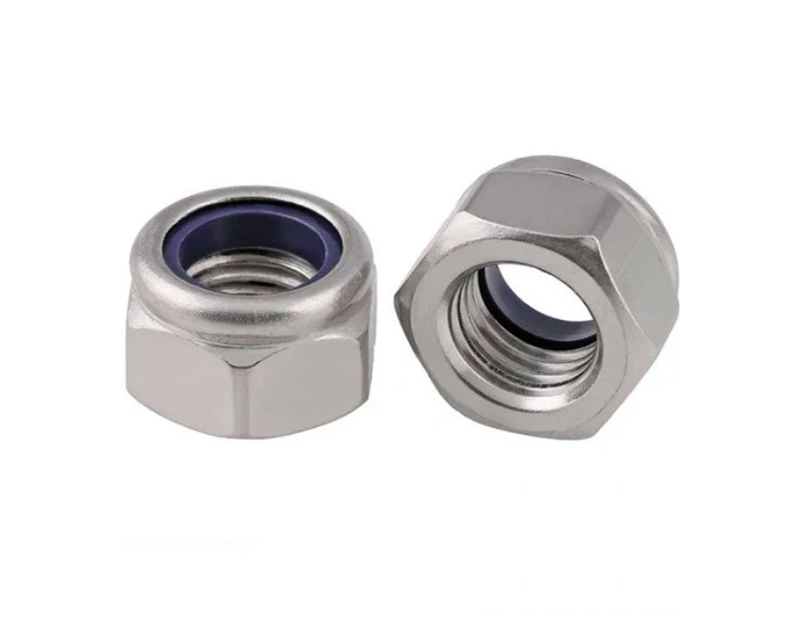
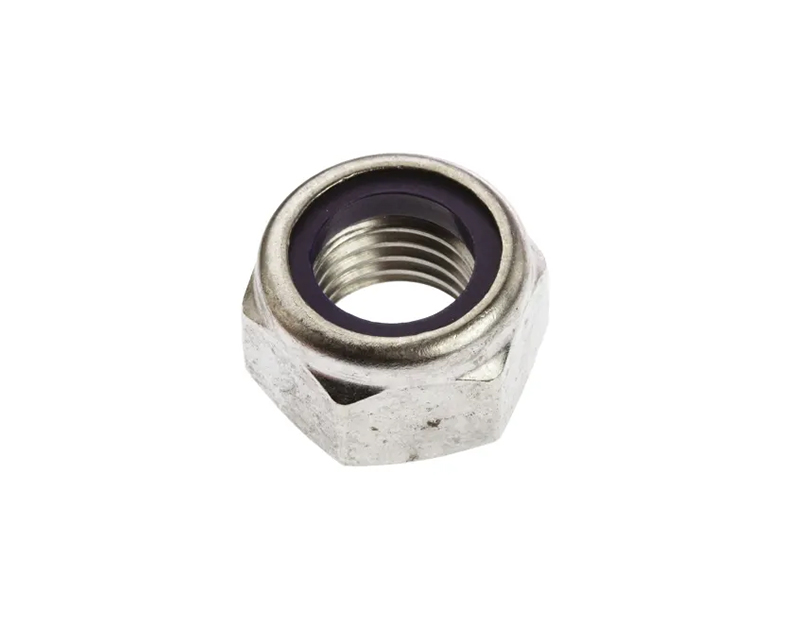
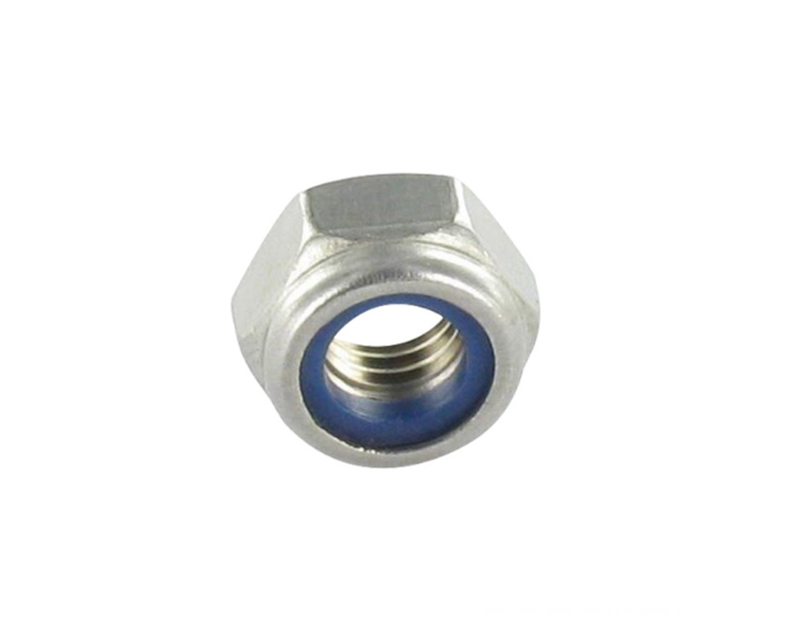
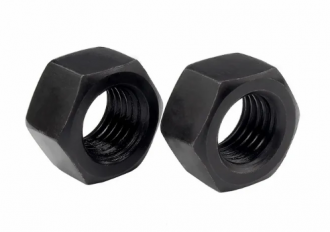
Lock nut is made up of a hexagonal body with internal threads and a locking feature that engages with the threads of the bolt or stud it is screwed onto.
The locking feature can come in several forms such as a nylon insert, a deformed thread, or a split ring that compresses against the threads of the bolt. The main purpose of the locking feature is to prevent the nut from loosening due to vibration or other external forces.
The hexagonal shape of the nut allows for easy installation and removal using a wrench or pliers.
Standard
DIN 985/din982
FOB Price: US $0.5 - 9,999 / Piece
Supply Ability: 10000 ton per Month
Surface treatment: Plain, Zinc Plated(ZP), GALVANIZED, HDG, Hot dip galvanized, Dacromet
Material: Carbon Steel / Alloy Steel / Stainless Steel / Brass / Copper
Standard: DIN / GB / UNC / BSW /JIS etc.
Certificate: ISO9001 ISO14001 ISO45001 SGS
Grade: 4.8 8.8 10.9 12.9 A2-70 A4-70 A4-80 etc.
What are they used for
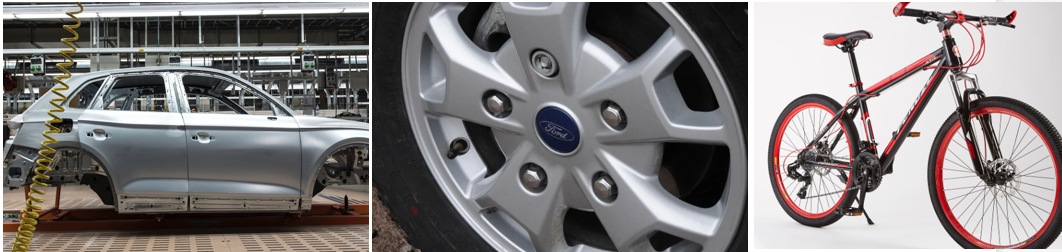
Locking nuts are used to securely fasten bolts and screws in place, preventing them from loosening due to vibration or other external forces. These nuts feature a unique design that requires a specific tool to tighten or loosen them, ensuring that they remain securely locked in place.
However, it is important to note that these nuts should only be used on bolts or screws that are designed to tolerate the additional pressure created by the locking mechanism.
Additionally, care should be taken to ensure that the nuts are tightened properly to prevent damage to the bolts or screws or the objects they are securing.
Manufacturing Process
The production process of hexagonal nylon anti-loose nuts differs from that of ordinary nuts.
Firstly, the nylon material is melted and formed into a nut shape using injection molding technology.
Then, a special manufacturing process is used to create a unique pattern on the internal threads of the nut, which helps prevent the nut from loosening.
The finished product is then subjected to high strength and quality testing to ensure durability and reliability. Ordinary nuts, on the other hand, are usually made of metal and their threads are cut during the production process. The finished product is then tested for size, strength, and general quality.

Consult your bolt customization experts
To provide customers with products and services of quality safety supply chain security, and cost saving.
Contact Us Now