Consult your bolt customization experts
To provide customers with products and services of quality safety supply chain security, and cost saving.
Contact Us Now
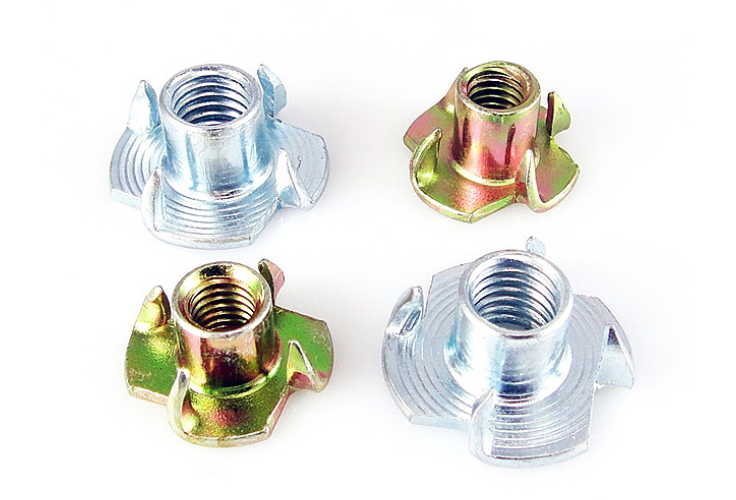
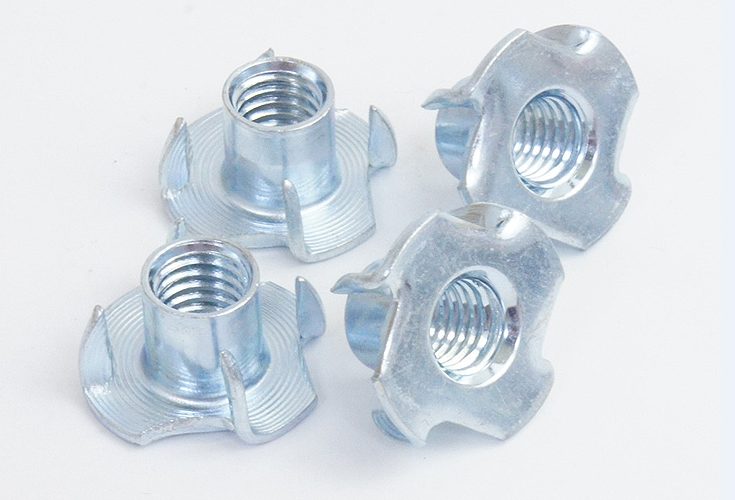
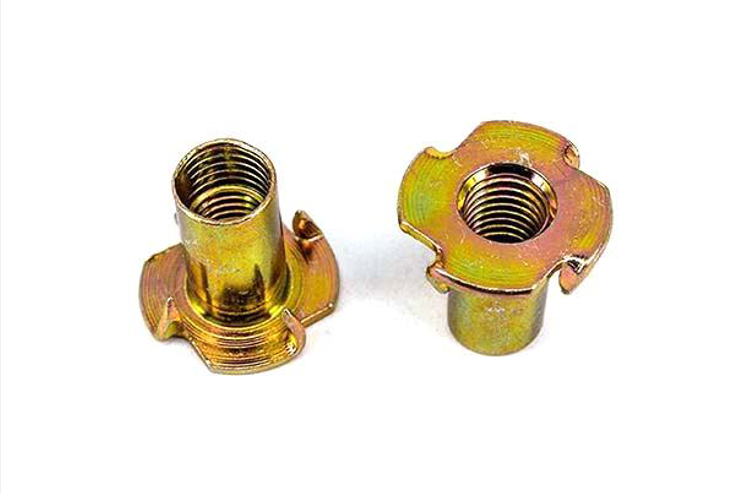
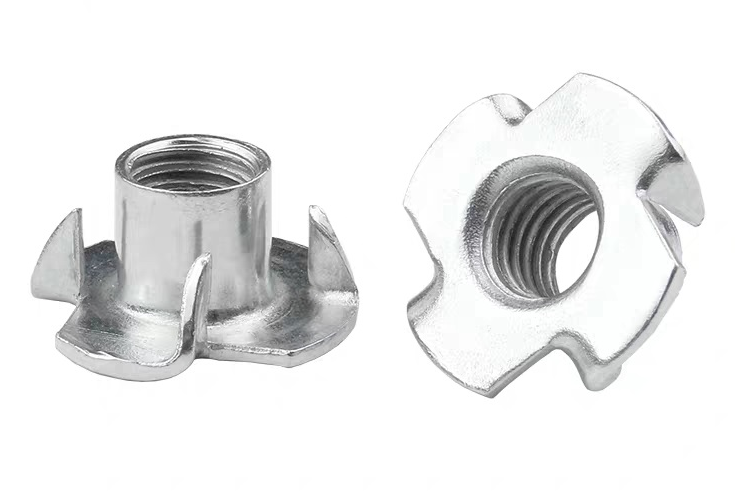
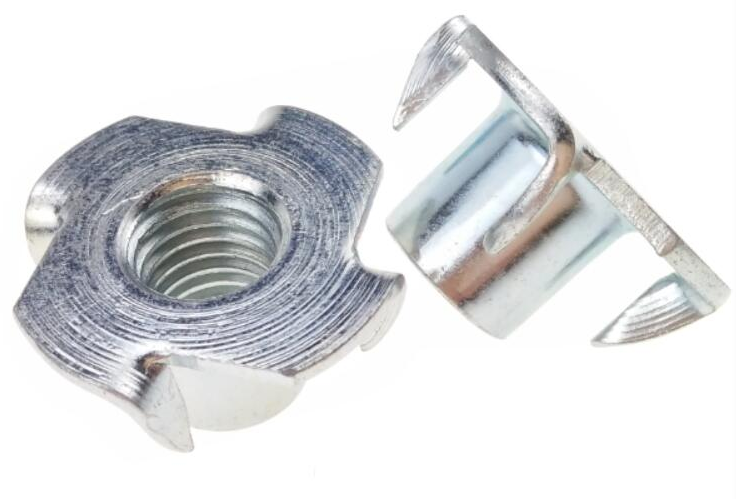
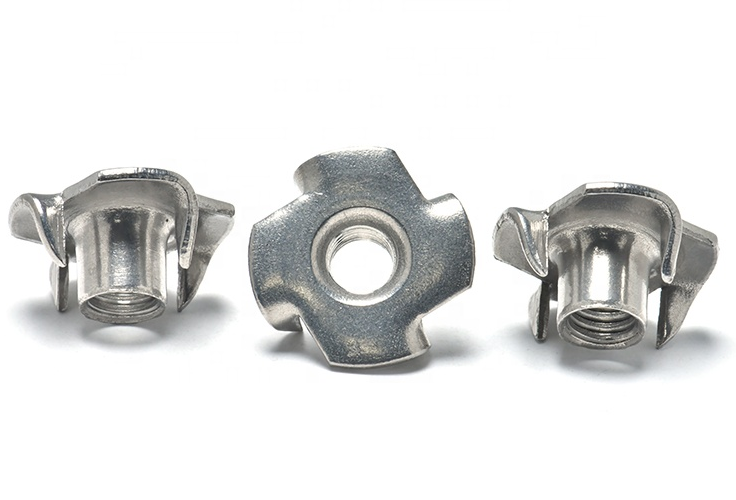
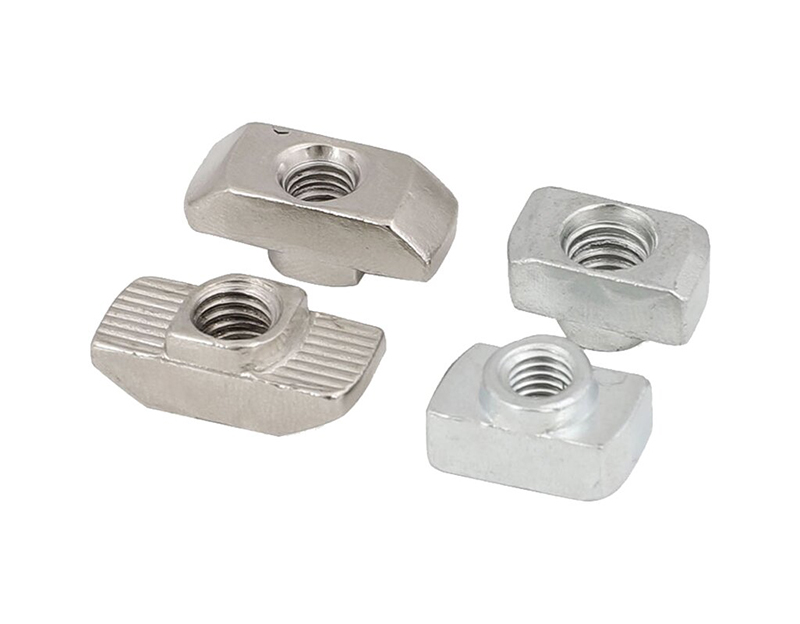
A tee nut is a type of fastener that consists of three parts: a threaded barrel, a flange, and a pronged insert. The threaded barrel has internal threads that allow it to be screwed onto a bolt or other threaded component. The flange is a flat, circular disc that provides a wide surface area for distributing the load of the nut. The pronged insert fits into a pre-drilled hole and provides a secure anchor for the nut. When the nut is screwed onto the threaded component, the prongs on the insert are forced into the surrounding material, creating a strong, secure connection.
Standard
DIN1624
FOB Price: US $0.5 - 9,999 / Piece
Supply Ability: 10000 ton per Month
Surface treatment: Plain, Zinc Plated(ZP), GALVANIZED, HDG, Hot dip galvanized, Dacromet
Material: Carbon Steel / Alloy Steel / Stainless Steel / Brass / Copper
Standard: DIN / GB / UNC / BSW /JIS etc.
Certificate: ISO9001 ISO14001 ISO45001 SGS
Grade: 4.8 8.8 10.9 12.9 A2-70 A4-70 A4-80 etc.
What are they used for
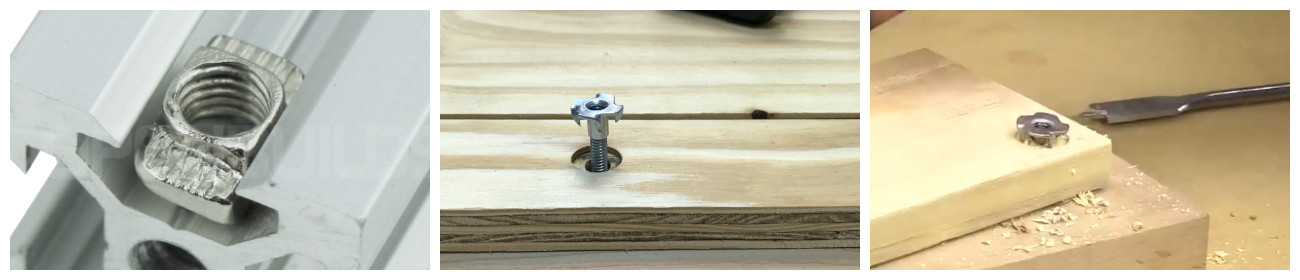
Tee nuts DIN1624 are typically used in the manufacturing industry to provide a secure, threaded connection for fastening applications. This type of nut is typically used in combination with a bolt or other threaded fastener, and is ideal for use in softer materials such as wood, plastic, or thin sheet metal. Tee nuts are commonly used in applications such as furniture assembly, woodworking, and metal fabrication, and can be used in a wide range of commercial and industrial settings. Their unique design allows for easy installation and removal, making them a reliable and efficient option for fastening applications.
Manufacturing Process
The tee nuts DIN1624 manufactured by tee nuts manufacturers undergo a specific production process that begins with the selection of high-quality raw materials such as carbon steel, stainless steel, or alloy steel. These raw materials are then forged and shaped into the desired tee nut form using a variety of manufacturing techniques, such as machining, milling, or stamping.
Once the nuts are shaped, they undergo heat treatment to improve their strength and durability. After heat treatment, the nuts are carefully inspected to ensure they are free of defects and comply with the DIN1624 standards. If any defects are found, the nut is rejected and recycled.
Finally, the tee nuts are coated with a protective surface finish to prevent rust and corrosion over time. This protective finish may be a simple coating of oil or a more complex process involving electroplating or powder coating.
Overall, the production of tee nuts DIN1624 by tee nuts manufacturers involves careful attention to detail at every step of the process, ensuring that the finished product meets the high standards required for use in a wide range of industries and applications.

Consult your bolt customization experts
To provide customers with products and services of quality safety supply chain security, and cost saving.
Contact Us Now